MOTHER Letters ·
The Missing Tonnes
Countries are building the records through which international carbon transfers can be traced. Yet the UN's public register still leaves a fundamental question unanswered: how much has been authorised, and how much has actually moved?

In this letter
Background
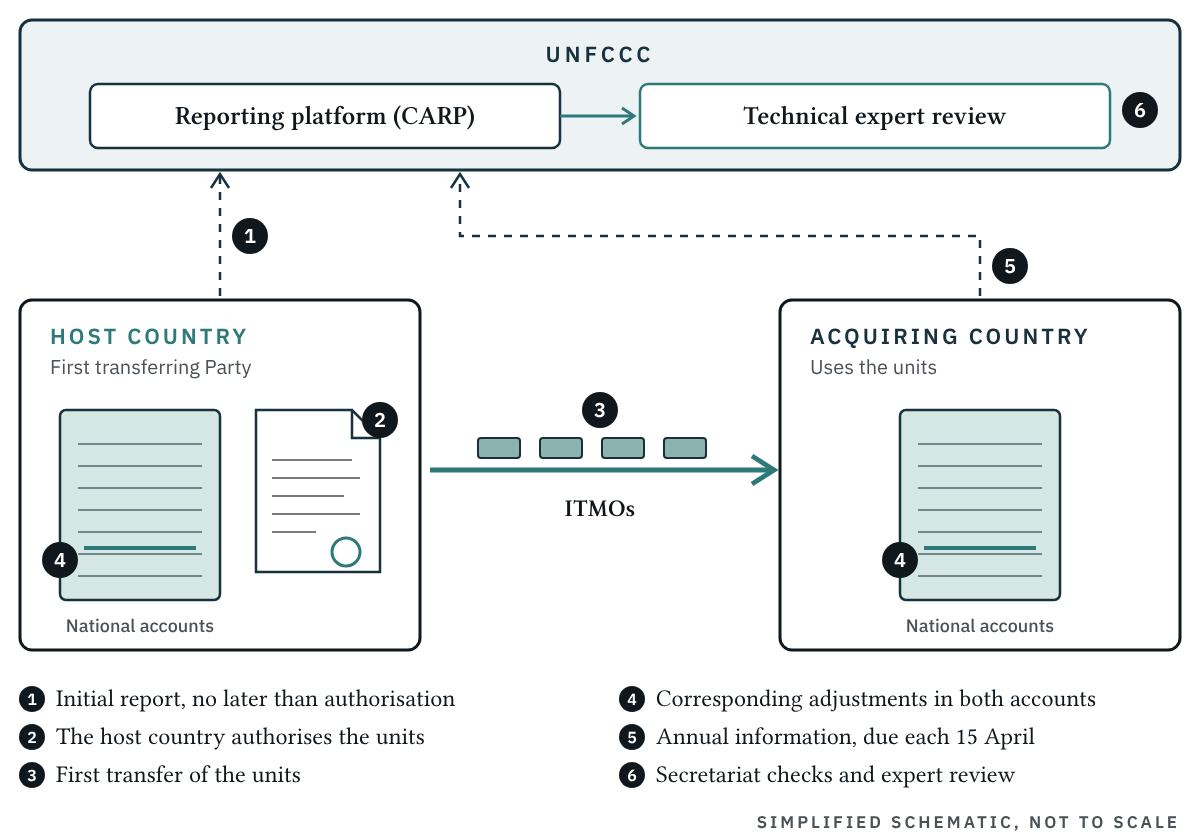
Under Article 6.2 of the Paris Agreement, countries may cooperate through internationally transferred mitigation outcomes. Such cooperation depends upon a sequence of obligations: authorisation by the participating country, reporting by the Parties, corresponding adjustments to prevent double counting, and subsequent technical review. Annual information is ordinarily due by 15 April of the year following the year in which actions involving the units occur.1
The arrangement is designed to make international cooperation accountable. Its credibility ultimately depends upon whether the records allow that accountability to be examined.
The record
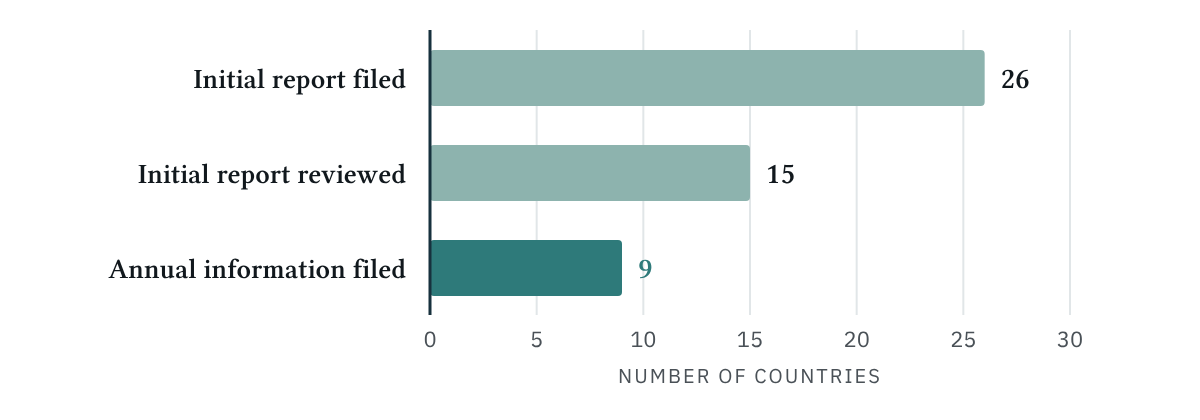
As COP31 convenes, the UNFCCC's reporting platform presents a picture of progress, albeit an incomplete one. Initial reports have been filed by 26 countries, while annual information is available from nine. The register also lists 73 authorisation documents, in a table that records no quantities.3,4
These are records of participation and procedure. They do not yet provide a consolidated account of the units authorised, transferred and used.
The review
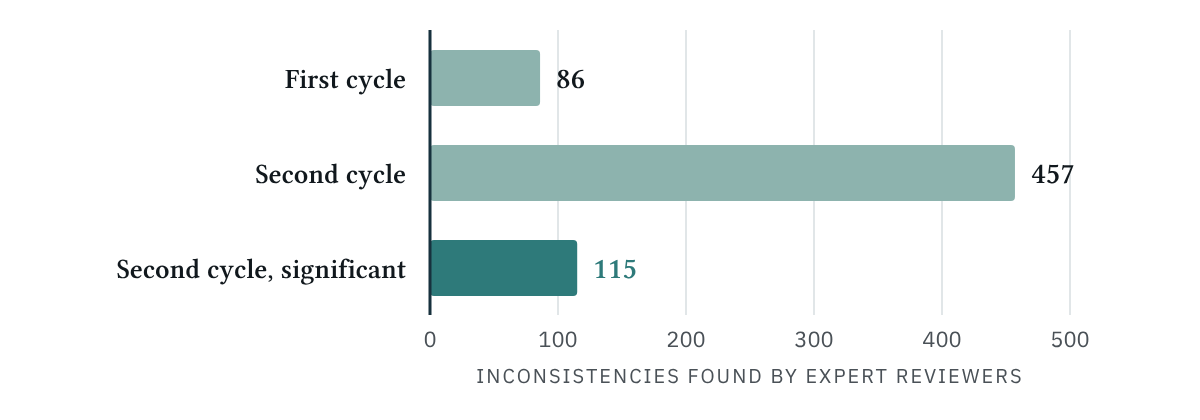
The UN's technical reviewers identified 543 inconsistencies across 16 published review reports. Of the 457 recorded during the second review cycle, 115 were classified as significant. Particular difficulties concerned authorisation arrangements and the tracking of units in registries.1
These findings warrant attention, but also proportion. Participating countries supplied further information concerning 523 of the identified inconsistencies. Review is not merely an examination of the system; it is part of the means by which the system improves.
The buyers
The acquiring side of this emerging market remains concentrated. Of 38 reviewed cooperative approaches, 33 name an acquiring Party, and only four countries fill that role. Japan is the acquirer in 28, all under its Joint Crediting Mechanism.1
This concentration makes the bilateral arrangements especially important to understanding how Article 6.2 is developing in practice.
Table 1. Cooperative approaches reviewed, by arrangement.
| Arrangement | Number |
|---|---|
| Joint Crediting Mechanism | 28 |
| Other arrangements established by Parties | 5 |
| Independent voluntary carbon standards | 5 |
| Total | 38 |
Open questions
What remains difficult to establish is the relationship between authorisation and actual transfer. The public register identifies authorisation documents, but its table records no quantities against them. Annual information, meanwhile, is available from only nine countries.3,4
There is an important qualification: reporting obligations arise according to the timing of authorisations and transfers. An incomplete public record does not, by itself, establish that a country has failed to meet its obligations.1
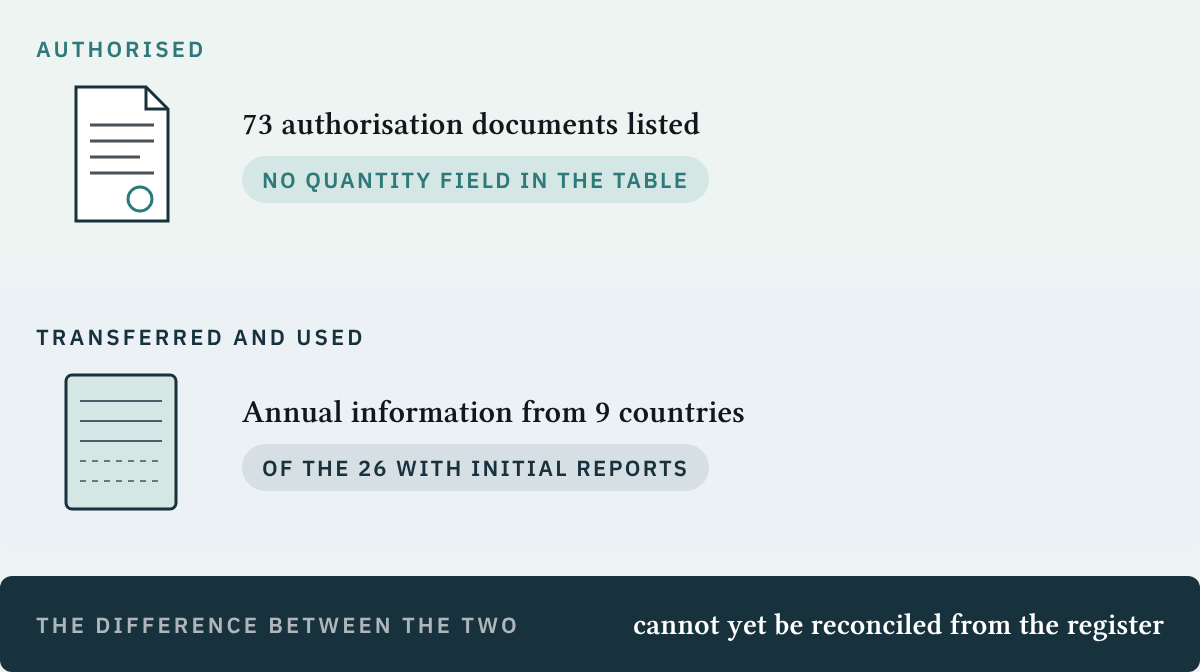
For an international market built upon measurable environmental outcomes, the distinction matters. A unit's authorisation, transfer and eventual use are separate events, each requiring an intelligible record.
Until reporting becomes more complete, aggregate market claims cannot be independently reconciled against the public register alone. This is a limitation of the evidence presently available, not a judgement upon the integrity of any participating country or programme.
MOTHER will return to these questions as the Parties publish further reports and the public record becomes more complete.

Foster the world that fostered you.
MOTHER Carbon. Fostering Earth.
The Earth raised us. Now it is our turn.
MOTHER takes no view on any country, cooperative approach or crediting programme named in this letter. This letter reports what the public record discloses and makes no claim about the volume or integrity of any transfer. MOTHER does not provide, arrange or recommend financing.
References
- UNFCCC (2026). ‘Results of the Article 6 technical expert review of the reports submitted by Parties participating in cooperative approaches referred to in Article 6, paragraph 2, of the Paris Agreement: compilation and synthesis report by the secretariat’. FCCC/PA/CMA/2026/INF.1, 3 November.
- UNFCCC (2026). ‘Notification to Parties and observer States: United Nations Climate Change Conference COP 31/CMP 21/CMA 8’. ISCP/NOTIF/COP31/PART/JUL.26, 17 July.
- UNFCCC (2026). ‘Centralized Accounting and Reporting Platform: reports’. Accessed 10 November 2026.
- UNFCCC (2026). ‘Centralized Accounting and Reporting Platform: authorizations’. Accessed 10 November 2026.